Stay informed
Newsletters
Raising Resilient Learners in the Age of AI: Why Human Values Matter More Than Ever
Date:
Jul 7, 2025
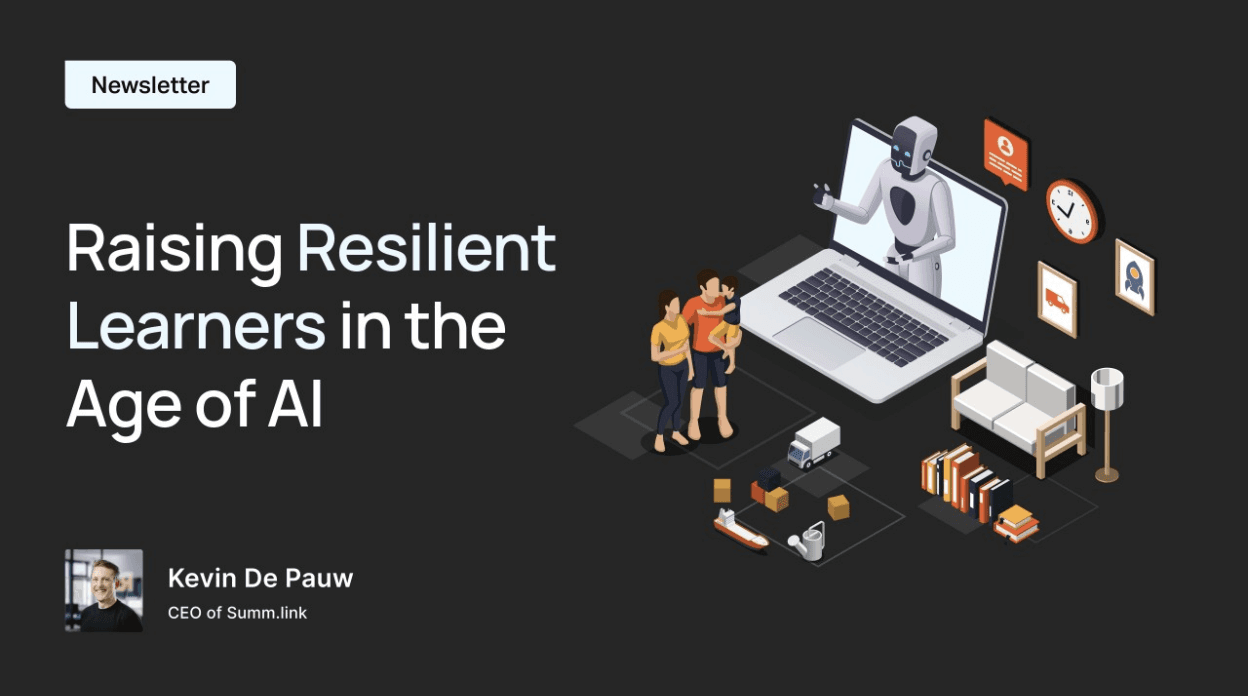
The integration of AI into education isn’t just about adopting the latest technology. It’s about preparing the next generation to thrive in a world where AI is everywhere: in classrooms, at home, and in the workplace. But as we embrace these tools, I never want to lose sight of what truly matters, human guidance, critical thinking, and empathy.
Why AI Literacy Matters
Schools today have a responsibility not just to teach the technology, but also its limitations. I want my daughter, and all young learners, to develop critical thinking skills, so they can question, interpret, and understand AI-generated content, not just consume it passively. As I’ve shared before, it’s essential that we foster open conversations at home and at school about what AI can, and cannot do.
The Value (and Limits) of AI as a Learning Partner
Personalized learning: AI can adapt lessons to each student’s pace and needs, making education more inclusive.
Instant support: AI-powered tutors and translation tools break down barriers for learners of all backgrounds.
Bridging skills gaps: AI-driven upskilling is helping students and professionals stay relevant in a rapidly changing job market.
But AI cannot replace the human touch. If I were to build an AI assistant for myself, I think 75% of the intercommunications that happen with my mentees wouldn’t exist. The interpersonal skills, the empathic reactions, the ability to sense someone’s state of mind, these are things bots just don’t do. Technology should augment, not replace, the essential role of teachers, mentors, and parents.
Regulation: Building Trust and Guardrails
With AI’s growing influence in education, robust regulation is essential to safeguard students, teachers, and society. The European Union’s AI Act, for example, classifies educational AI systems as “high risk” when they impact access to education or shape someone’s professional life. That means tools for scoring exams or evaluating learning outcomes must meet strict requirements for human oversight, data quality, and transparency before they’re used in schools.
I see this as a positive step. Regulation isn’t just about compliance, it’s about building trust and protecting fundamental rights. We’re giving people access to AI agents without always ensuring they have the expertise to judge if the answers are correct. So who corrects the agents? Regulation provides a framework to address these gaps, ensuring that AI systems are transparent, accountable, and always subject to meaningful human oversight.
The Role of Schools and Families
Schools have a responsibility not only to teach the technology, but also to explain its limitations and reinforce critical thinking. But the role of parents is just as important. I make it a point to sit next to my daughter, not just to monitor her use of AI, but to explain what real friendship and human connection mean, especially as bots become more present in apps and platforms she uses.
We can’t point fingers, schools and parents must work together. Around the kitchen table, in open conversations, we can help kids understand that AI is a tool, not a replacement for real relationships or genuine learning.
Building a Responsible Future
The future of education isn’t about choosing between AI and human mentorship, it’s about combining the strengths of both. I want my daughter to benefit from personalized, scalable support, but also to grow up with values, context, and emotional intelligence that only humans can provide.
What I believe we need to do:
Embrace AI as a learning partner, but recognize its limits.
Prioritize critical thinking, empathy, and ethical understanding alongside technical skills.
Foster open dialogue about AI’s role in learning, both at school and at home.
Prepare for a future where adaptability and lifelong learning are essential.
Support thoughtful regulation that builds trust and keeps the human at the center of every educational experience.
AI is a powerful opportunity for education, but only if we approach it with care, transparency, and a commitment to human values. If you’re interested in exploring these ideas further, I invite you to check out the latest episode of LuminaTalks, where Geertrui Mieke De Ketelaere and I dive deeper into the human side of AI and what it means for families, schools, and the future of learning. Your voice matters in this important conversation!
Listen the full episode here:
📺 YouTube: https://lnkd.in/eTvcs5rq
🎙 Spotify:https://lnkd.in/ezMe6aPt